Why consume protein after exercise?
In short, protein contributes to the maintenance and growth of muscle mass¹. It therefore has an important place in the diet of people who are physically active.
The role of protein in the body
Protein provides the amino acids needed to maintain and renew body tissues, including muscle mass¹. It also contributes to feelings of fullness and performs many essential functions in the body every day.
Protein needs vary according to your activity
Your protein needs depend in particular on the intensity and regularity of your physical activity. Recommended intakes also vary depending on your weight, age, training frequency and personal goals⁴. There is therefore no single amount that everyone needs to consume at each meal.
Do you need to eat immediately after training?
There is no need to rush to eat as soon as your workout is over. Your total protein intake throughout the day remains an important factor⁵. Your post-workout meal can therefore fit naturally into your usual routine, depending on when you exercise, how hungry you are and how soon your next meal is.
A post-workout meal is about more than protein
Carbohydrates to round out your meal
Starchy foods such as rice, pasta, bread, potatoes and some pulses provide carbohydrates. Fruit also contains carbohydrates.
Carbohydrates notably help replenish the glycogen stores used during exercise². They therefore naturally have a place alongside a source of protein in your meal.
Vegetables for greater variety
Whether raw or cooked, vegetables provide fibre, vitamins, minerals and water. They can also add colour and freshness to your plate, while helping you vary textures.
They complement starchy foods and protein-rich foods rather than replacing them.
Appropriate hydration
Remember to drink before, during and after your workout³. Your water requirements vary depending on the duration and intensity of your exercise, the temperature and how much you sweat.
Water remains the go-to drink for supporting everyday recovery after exercise.
What role can goat cheese play in a protein-rich meal?
Protein content can vary considerably from one product to another, particularly depending on how long the cheese has been ripened and its water content.
At Soignon, the plain fresh goat cheese log provides 17 g of protein per 100 g, the Sainte-Maure goat cheese log provides 20 g, and the pressed goat cheese slices provide 22 g.
Milder and creamier, the plain whipped goat cheese provides 6.8 g of protein per 100 g. Depending on your preferences and the recipe you choose, it can be paired with another source of protein as part of the meal.
These values are given per 100 g and apply only to the products mentioned. The amount of protein actually consumed will therefore depend on the portion served.
Goat cheese can also be paired with other protein-rich foods. Eggs, fish, poultry, lentils, chickpeas and tofu make it easy to vary both animal and plant-based protein sources.
Combined with starchy foods and vegetables, goat cheese can therefore form part of a protein-rich post-workout meal without being the only possible option.
How can you put together a post-workout meal?
In practice, you can use a few simple guidelines when putting together your plate:
- A source of protein: goat cheese, eggs, fish, poultry or pulses, depending on your preferences.
- A starchy food: rice, pasta, wholegrain bread, quinoa or potatoes.
- Raw or cooked vegetables to vary flavours, textures and nutrient intake.
- A small amount of fat, such as a drizzle of olive oil, depending on the overall composition of the meal.
- Water, adjusting your hydration according to your workout and the conditions on the day.
Three meal combinations for a complete meal
Here are a few practical combinations to illustrate this approach. They can be adapted according to your appetite and eating habits.
A vegetarian plate
Quinoa, tender lentils, roasted vegetables and a few slices of Sainte-Maure goat cheese log make a colourful, delicious and satisfying plate that can easily be adapted to the season.
If you are in the mood for a tasty vegetarian meal, take a look at our vegetarian recipes.
A meal with fish
Steamed potatoes, a salmon fillet or seasonal white fish, crunchy raw vegetables and a few shavings of fresh goat cheese log make for a simple and delicious meal. A few fresh herbs or a squeeze of lemon can add even more freshness.
For example, try our recipe for monkfish poached with Espelette pepper and stuffed with goat cheese, served with brown rice, or our cod roll with whipped goat cheese, served with bulgur wheat and green vegetables.
A quick meal after an evening workout
An avocado toast with goat cheese, wholegrain bread and a green salad is easy to prepare when you are short on time.
Another option is to prepare a delicious snack before your workout, such as a vegetarian goat cheese bagel or a crispy goat cheese wrap, for a complete plate when you get home from training.
A few good habits after exercise
- Do not focus exclusively on protein.
- Keep a place for starchy foods in your meal.
- Adjust portion sizes according to your appetite and physical activity.
- Remember to drink regularly.
- Do not consider protein supplements essential to a sports diet.
- Do not neglect sleep and rest, which also contribute to recovery.
Key takeaways for putting together a protein-rich post-workout meal
Good post-workout nutrition should be considered across the whole day rather than relying on one particular food or meal.
Some Soignon products, such as fresh goat cheese logs, ripened goat cheese logs or goat cheese slices, can contribute to protein intake and form part of a meal that also includes starchy foods, vegetables and adequate hydration.
The most important thing is to eat a varied diet, adjust quantities to your activity level and appetite, and continue to enjoy your food.
Sources:
- ANSES: Protein: role, sources and recommended intake
- EUFIC: The functions of carbohydrates in the body
- Manger Bouger: Water, essential for our health
- ANSES: Recommended protein intake according to physical activity
- Aragon AA, Schoenfeld BJ: Nutrient timing revisited: is there a post-exercise anabolic window?, J Int Soc Sports Nutr. 2013
- Manger Bouger: Fruit and vegetable consumption guidelines

Your health questions
Confusion between milk protein allergies and lactose intolerance is a regular occurrence, as both are associated with the same food: milk. Looking beyond the food itself, digestive symptoms can often be similar for both conditions. However, there are major differences in terms of mechanisms of action, seriousness of the symptoms and as a result, how the condition is managed. Read on for key information and practical recommendations for telling the difference between an allergy and an intolerance.
Our tasting tips
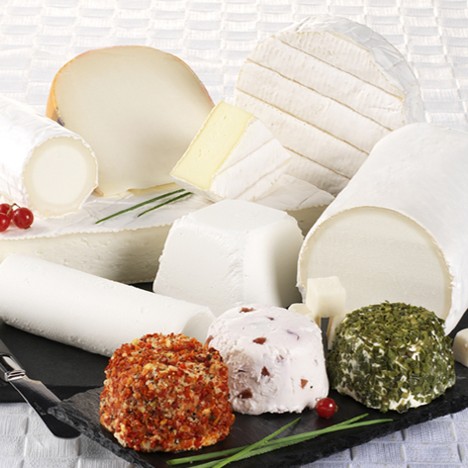
With over 100 varieties, textures, aromas, shapes and aging periods, it can be hard to know where to start. So, if you want to select a good goat cheese, you obviously need to know a few secrets.
Your health questions
Although the nutritional benefits are clear to see, the consumption of milk and dairy products can be a controversial subject for amateur and performance athletes.



 Share by email
 Share on Facebook
 Share on Linkedin
 Share on X
 Share on WhatsApp